The argument goes like this: cannabis is legal now. The research says it's safer than alcohol. People have been using it for thousands of years and nobody has died. The ER nurses who keep raising concerns are just reflecting outdated drug-war attitudes.
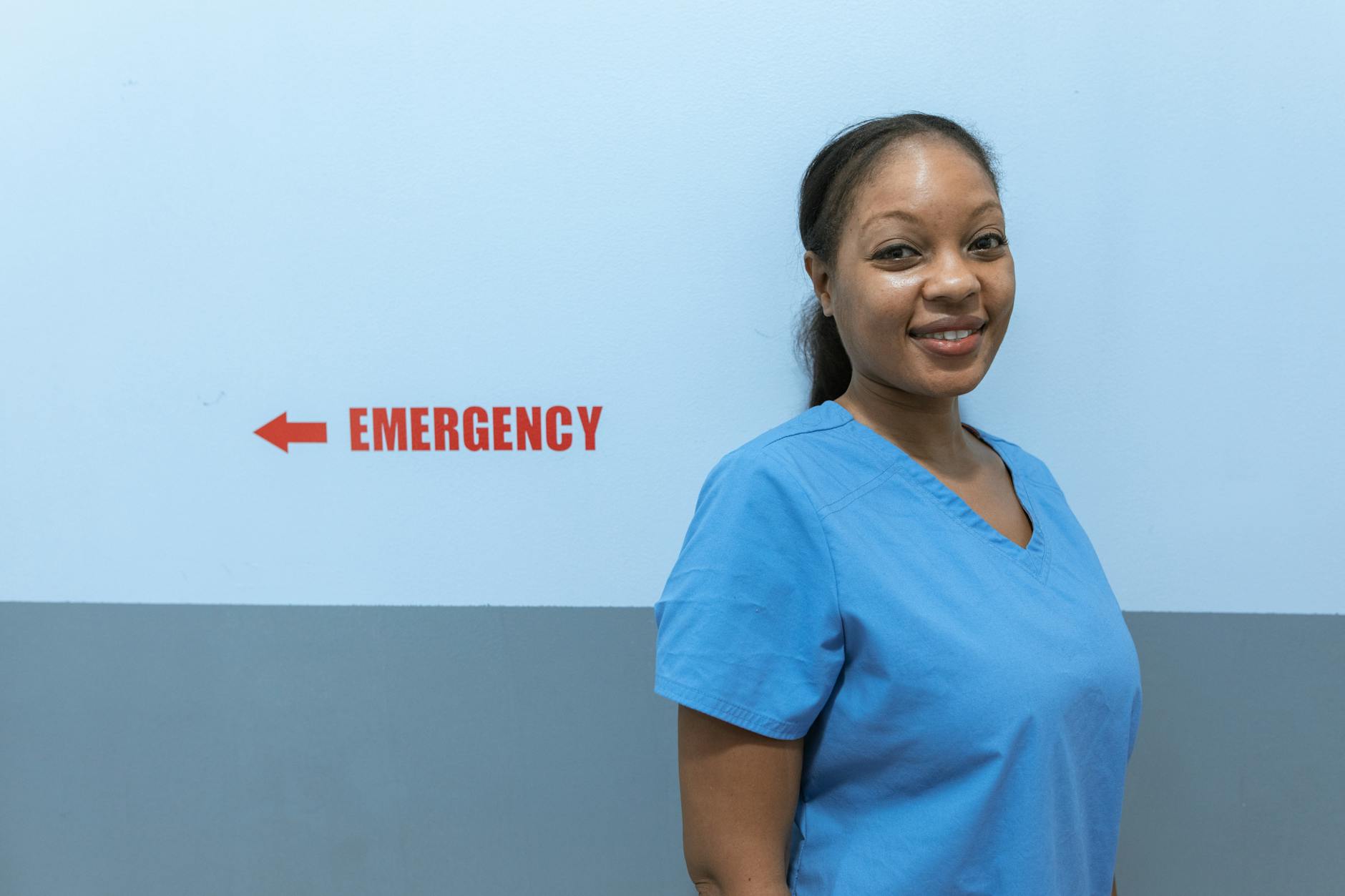
I have been an ER nurse at Emory Healthcare for 30 years. I want to engage with that argument seriously, because the people making it are not entirely wrong. And then I want to show you exactly where it breaks down, using the specific clinical reality I see in 2026.
The pro-cannabis safety argument has genuine research support in specific contexts. Studies comparing acute toxicity profiles show that alcohol causes direct organ damage at doses that cannabis does not. Cannabis has not been causally linked to fatal overdose in the way that opioids or alcohol poisoning are. The D.A.R.E. generation was lied to about the immediate dangers of cannabis, and that credibility gap is real and earned.
The argument that "cannabis is safer than alcohol" was formed in a context where cannabis meant 1 to 3 percent THC flower, consumed in social settings by adults with some accumulated tolerance. That context generated real data. The conclusion drawn from that data, that cannabis poses minimal acute risk, was reasonable given what existed.
Here is the problem: the substance has changed. The conclusion has not.
The clinical presentations I see involving cannabis have shifted. The patient profile has changed. And the products involved are categorically different from what the safety research was built on.
High-dose THC presentations at Emory Healthcare and peer institutions include: acute cannabis psychosis with paranoid ideation lasting hours to days, severe tachycardia in otherwise healthy teenagers, cannabinoid hyperemesis syndrome causing uncontrollable vomiting requiring IV fluids, and in cases involving contaminated or mislabeled products, presentations that are clinically indistinguishable from synthetic cannabinoid toxicity.
Synthetic cannabinoids bind cannabinoid receptors with orders of magnitude higher affinity than Delta-8 or Delta-9 THC. They are associated with seizures, cardiac events, and deaths in healthy young people. The clinical problem is that a gas-station product mislabeled as Delta-8 and containing synthetic cannabinoids cannot be distinguished from a legitimate Delta-8 product by sight, smell, taste, or packaging.
Federal marijuana rescheduling is underway as of April 2026. That is a meaningful policy development. It does not resolve the Delta-8 regulatory gap, which exists because of hemp-derived cannabinoid chemistry and the 2018 Farm Bill, not Schedule I classification.
The products that are putting teenagers in ERs are not the products that federal rescheduling addresses. They are Delta-8 edibles, unregulated hemp-derived concentrates, and gas station vs. dispensary products that exist in a state-by-state legal patchwork with no federal product safety standards applied to them.
A 2,000mg edible is not a cannabis product in the clinical sense the safety literature describes. It is a concentrated cannabinoid delivery mechanism with no dose verification, no age gatekeeping infrastructure, no consumer safety accountability, and no warning system when the product is contaminated. The fact that it is legal in some states tells you about a regulatory gap, not about safety.
Fentanyl in vapes adds a separate dimension. The contamination concern is not theoretical. Fentanyl has appeared in counterfeit THC cartridges. The products are visually indistinguishable from clean ones. If your teenager is using a vape of unknown origin, the question is not just "what THC dose is in there" but "what else is in there." That is a materially different clinical conversation than the one the cannabis safety literature describes.
HBO's "The Pitt" is generating real public conversation about what emergency medicine actually looks like, which is valuable. What it cannot show is the pattern that ER nurses see across shifts and years: the specific population vulnerability that makes this conversation urgent.
Teenagers are not small adults. The adolescent brain has a higher density of cannabinoid receptors and is in an active developmental window. The dose-to-effect curve is steeper. The baseline tolerance is lower. The context in which unregulated products are consumed, no label reading, no dose awareness, peer settings where re-dosing before onset is common, is specifically designed to produce the clinical outcomes we see.
A 45-year-old adult in a licensed dispensary buying 5mg edibles with dispensary staff explaining onset time is not the same risk population as a 16-year-old eating an unmarked gas-station gummy in a car before they know what Delta-8 means. The safety research was conducted on the first scenario. The ER sees the second.
The cannabis safety debate asks: "Is cannabis dangerous?" The clinical question is: "Is this specific unregulated high-potency product, in this dose, in this person, in this context, dangerous?"
The second question has a different answer than the first for a significant subset of cases. That is not D.A.R.E. rhetoric. It is dose-to-outcome reasoning applied to actual 2026 products.
What parents need is not a position on the cannabis debate. What they need is a clinical vocabulary for the specific products available to their teenagers right now, a red-flag checklist for when a reaction requires emergency intervention, and the conversation scripts to have this exchange in a way that actually gets heard.
The ER is at the end of the decision tree. The parent conversation, the one that happens before exposure, before crisis, before the 911 call, is where the outcomes actually get determined. That is the gap this work is designed to close.
Can you overdose on THC from cannabis?
The traditional answer has been that lethal THC overdose is clinically very rare compared to other substances. That is still technically accurate. The more precise answer for 2026 is this: with unregulated high-potency products containing 2,000mg of cannabinoids, the acute clinical presentations ER nurses see, including psychosis, severe cardiovascular stress, and seizures, represent real medical emergencies requiring intervention. "Can't kill you" and "can't hospitalize you" are not the same statement.
Is cannabis safer than alcohol?
In a regulated, dose-controlled context, there are legitimate research arguments for cannabis having a lower acute toxicity profile than alcohol. The comparison breaks down entirely when you apply it to unregulated high-potency products. The question "is cannabis safer than alcohol" was developed in a context where cannabis meant 1 to 3 percent THC flower. Applying that comparison to 2,000mg gas-station edibles is like applying alcohol safety data to industrial ethanol.
What does an ER nurse actually see with cannabis overdose?
High-dose cannabis presentations in the ER are not what most people imagine. Common presentations include acute psychosis with paranoid ideation, severe tachycardia with heart rate over 150, cannabinoid hyperemesis with uncontrollable vomiting that can persist for hours or days, extreme anxiety with hyperventilation, and altered consciousness. In cases involving contaminated or mislabeled products, the clinical picture can be significantly more severe.
30 years of ER cases, distilled into frameworks and vocabulary parents can actually use. Follow along for more.
Follow Nurse Charles